
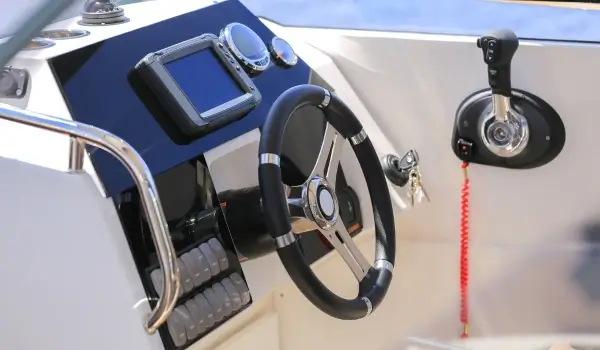
A throttle that sticks, binds, or refuses to move smoothly is more than an annoyance. It is a safety issue that can leave you unable to control your speed when you need it most. The good news is that many throttle problems come down to a few common causes. Here is how to track down the issue and get your controls moving freely again.
Identify the Symptoms First
A stuck throttle can show up in different ways. The lever might feel stiff and hard to push, move in only one direction, refuse to return to idle, or feel loose and disconnected. Pay attention to exactly how it behaves, since the symptom points you toward the cause. Never take a boat out with a throttle that is not operating properly.
Check the Control Cable
The most common culprit is the throttle cable. Over time, cables corrode, kink, or lose lubrication, causing friction and binding. Inspect the cable along its full length for damage, sharp bends, or a frayed jacket. Disconnect it at the engine end and move it by hand. If the cable itself binds when disconnected, it likely needs replacement.
Lubricate the Moving Parts
Dry, dirty linkages cause plenty of sticking throttles. Clean the pivot points, cable ends, and linkage at both the control box and the engine, then apply a marine-grade lubricant. Work the throttle back and forth several times to spread the lubrication and check whether the motion improves.
Inspect the Control Box
Inside the binnacle or side-mount control, gears and detents can wear, loosen, or gum up with old grease and salt. Open the control box carefully and look for worn components, loose fasteners, or corrosion. Cleaning and re-greasing the internals often restores smooth operation.
Know When to Replace Versus Repair
A badly corroded cable or a worn control box is usually better replaced than patched. Marine control components are precision parts, and a proper replacement restores safe, reliable operation.
When to Call a Professional
If the throttle problem persists after basic troubleshooting, or if you are unsure about disassembly, have a marine technician inspect the system. Throttle control is not something to gamble with on the water.
A Final Thought
A smooth, responsive throttle is essential for safe boating. Inspect the cable, lubricate the linkage, and never head out until your controls move exactly as they should.