How to Repair Vinyl Boat Upholstery
Marine vinyl takes a beating. Constant sun, salt, moisture, and heavy use eventually lead to cracks, tears, fading, and stubborn stains. Left alone, small damage spreads and lets water reach the foam beneath. The good news is that many vinyl problems are fixable at home. Here is how to restore your boat’s upholstery and keep it looking sharp.
Assess the Damage
Start by cleaning the seats and taking a close look. Minor surface cracks, small tears, and stains are usually repairable. Widespread cracking, waterlogged foam, or vinyl that crumbles when touched signals that reupholstering may be the smarter long-term choice. Knowing which camp you are in saves time and money.
Clean Before You Repair
No repair bonds to a dirty surface. Wash the vinyl with a dedicated marine vinyl cleaner to strip away sunscreen residue, grime, and mildew, then let it dry completely. This single step is the difference between a repair that lasts for years and one that peels within weeks.
Fix Small Tears and Cracks
Marine vinyl repair kits include adhesive, backing fabric, and color-matched compound. Trim any loose threads, slip the backing beneath the tear, apply adhesive, and smooth the surface flat. For cracks, the compound fills and blends the damage. Follow the kit instructions and allow full cure time before using the seat.
Tackle Stains and Mildew
Mildew is one of the most common vinyl complaints. A marine mildew remover usually lifts black spots, and gentle scrubbing handles most stains. Avoid harsh household bleach, which dries out vinyl and breaks down the protective coating over time.
Protect Your Work
Once repairs are complete, apply a marine vinyl protectant with UV blockers. This guards against the sun damage that causes cracking and fading in the first place. Reapplying every few weeks during boating season dramatically extends the life of your upholstery.
When to Call a Professional
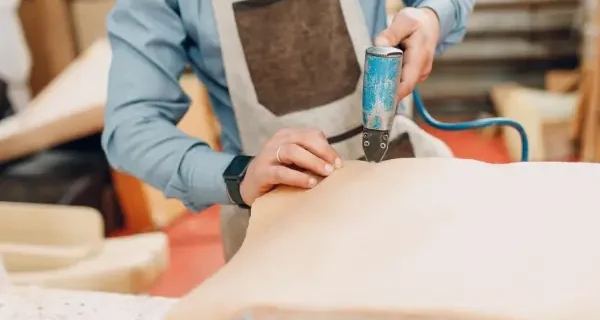
Torn seams across multiple seats, soaked foam, or extensive sun damage usually calls for professional marine upholstery work. An experienced shop can rebuild your seating with durable marine-grade materials built to last.
A Final Thought
A little upkeep keeps your boat’s upholstery comfortable and attractive for years. Repair small damage early, protect the vinyl from the sun, and trust the bigger jobs to a professional.…