
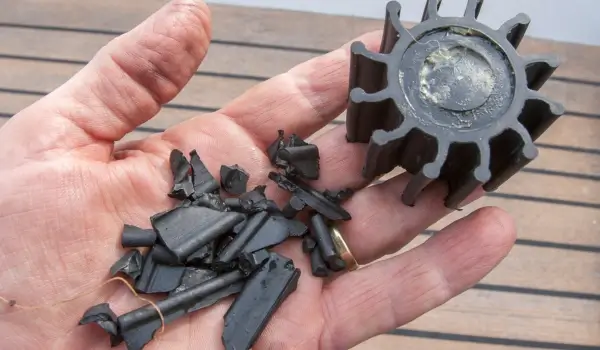
The water pump impeller is a small rubber part with a big job. It pushes cooling water through your engine, and when it fails, temperatures climb fast and serious damage can follow. Replacing the impeller on schedule is one of the most important maintenance tasks a boat owner can learn. Here is how the job works and when to hand it off to a professional.
Know When to Replace It
Most manufacturers recommend replacing the impeller every one to two years, regardless of how many hours you run. The rubber vanes harden and crack with age even when the boat sits unused. Weak water flow from the telltale, rising engine temperature, or bits of rubber found in the cooling system are all signs the impeller needs attention now.
Gather Your Tools and Parts
Start with the correct replacement impeller kit for your specific engine, which usually includes a new gasket or O-ring. You will also want a screwdriver, socket set, needle-nose pliers, marine grease, and a service manual for your motor. Having everything ready before you begin keeps the job smooth.
Access and Remove the Old Impeller
Locate the water pump housing, typically on the lower unit of an outboard or on the engine of an inboard. Remove the housing cover carefully, noting the orientation of the impeller and the direction its blades curve. Pull the old impeller off the shaft, and inspect the housing and wear plate for grooves or damage while you are in there.
Install the New Impeller
Coat the new impeller with marine grease to protect it during that first dry startup. Slide it onto the shaft, curving the blades in the same direction as the old one. Replace the gasket, reassemble the housing, and torque the fasteners to the manufacturer’s specifications. Never run the engine dry, even for a moment, since that will destroy a fresh impeller instantly.
When to Call a Professional
Inboard engines, sterndrives, and hard-to-reach pumps can turn a simple job into a frustrating one. A marine technician can replace the impeller quickly and inspect the entire cooling system while they work.
A Final Thought
A fresh impeller is cheap insurance against a ruined engine. Replace it on schedule, keep a spare on board, and trust the tricky installations to a professional.